
Elder Abuse
Recognize The Signs, Learn The Facts, end the Cycle
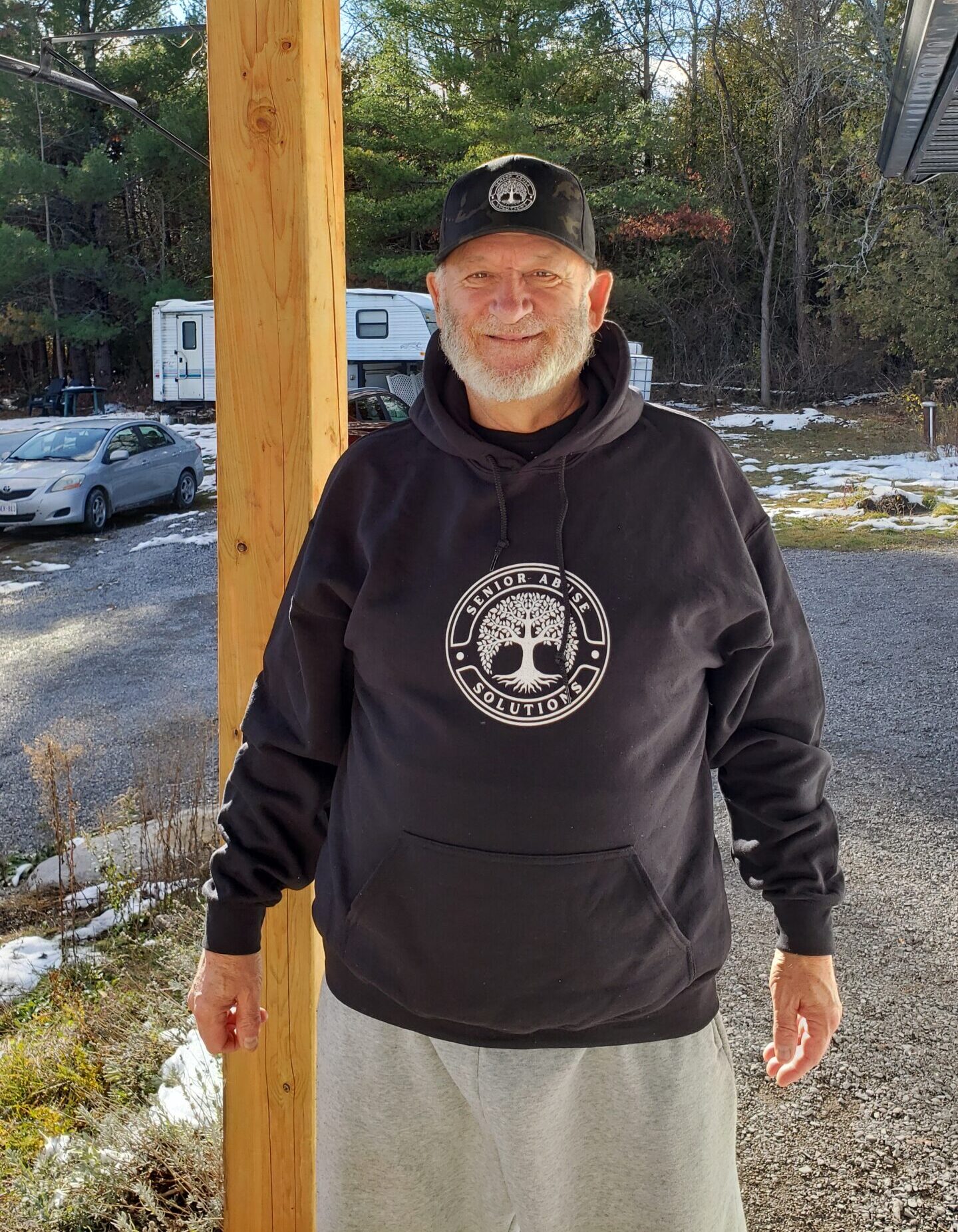
SHOP SENIOR ABUSE SOLUTIONS APARREL & SHOW YOUR SUPPORT!
Elder Abuse Isn’t Always Easy to Spot
Elder abuse isn’t always visible, and many older adults never report it, even when harm is ongoing. Often, the person causing the abuse is also someone the senior relies on for care, housing, or daily needs. Fear of retaliation, shame, or being placed in a long-term care facility can keep them silent.
Some seniors may not recognize certain behaviours as abuse, especially when it involves emotional or financial manipulation. Others feel powerless or isolated, unsure of their rights or how to ask for help. In many cases, communication barriers, illness, or a lack of trust in authorities prevent them from speaking up at all.
Elder Abuse Facts
10 % of seniors experience Abuse
Each year, close to one in ten older adults (65 +) in Canada report being victims of crime or mistreatment.
Violent abuse affects up to 1 % of seniors
Though rare, approximately one percent of Canadian seniors endure violent or physical abuse each year .
Police-reported senior abuse rose 22 %
From 2010 to 2020, elder abuse incidents reported to the police have increased significantly.
Emotional / financial abuse is most common
The most common types of elder abuse in Canada involve psychological manipulation and monetary exploitation.
Abuse: One of Canada’s Many Senior Care Problems
Report – CBC News: The National
A Word From The Founder
Understanding elder abuse is critical to protecting the well-being of older adults in our communities. While many people associate abuse with physical harm, elder abuse can take on several different forms, including emotional manipulation, financial exploitation, neglect, and even sexual abuse. Learning the key elder abuse facts helps family members, caregivers, and professionals recognize the signs and take appropriate action.
In Canada, it’s estimated that between 4% and 10% of older adults experience some form of abuse or neglect each year. However, this number is believed to be significantly underreported. Many seniors are reluctant to come forward due to fear, shame, or a sense of loyalty to the abuser, especially when the perpetrator is a close family member or caregiver.
One of the most overlooked types of elder abuse is emotional abuse. This can include yelling, intimidation, isolation, or verbal degradation that erodes a senior’s confidence and mental health. Another common form is financial abuse, where individuals misuse or steal a senior’s money, credit cards, or property. This often occurs in tandem with elder neglect, when a caregiver fails to provide basic necessities like food, clean clothing, medical care, or emotional support.
Recognizing the signs of elder abuse is key. These may include unexplained injuries, sudden changes in financial status, depression, withdrawal, poor hygiene, or fearfulness around certain individuals. When these red flags appear, it’s important to ask gentle but direct questions and offer support in a way that respects the senior’s dignity and privacy.
Canada has several systems in place for reporting elder abuse, including local police services, provincial elder abuse hotlines, and adult protective services. Raising awareness of senior abuse statistics and helping communities understand their role in prevention can reduce harm and improve outcomes for vulnerable older adults.
If you’re concerned about a loved one, a neighbour, or a client, take action. Learn more about how to help seniors at risk, educate others on the facts, and help build a safer, more compassionate environment for aging Canadians.
Rodney Vieau
Rodney Vieau, Founder
Communication Meets Community Outreach
Senior Abuse Solutions is looking to provide an outlet for the abused to share their stories, but also to act as a conduit between those in need of assistance and the many organizations and community groups that can help them.
If you have a story to share or represent an organization that supports elders, please get in touch.